• Galleries
    • Fungi, lichens and slime moulds
      • Fungi and slime moulds
      • Lichens
    • Plants
      • Ferns, horsetails
      • Mosses, liverworts, hornworts
      • Seed plants
    • Animals
      • Insects
      • Spiders
      • Mollusks
      • Other invertebrates
      • Birds
      • Mammals
      • Reptiles and amphibians
    • Image search
  • Project 1522
  • Through other eyes
  • Who am I?
Lynkos
Lynkos
  • Galleries
    • Fungi, lichens and slime moulds
      • Fungi and slime moulds
      • Lichens
    • Plants
      • Ferns, horsetails
      • Mosses, liverworts, hornworts
      • Seed plants
    • Animals
      • Insects
      • Spiders
      • Mollusks
      • Other invertebrates
      • Birds
      • Mammals
      • Reptiles and amphibians
    • Image search
  • Project 1522
  • Through other eyes
  • Who am I?

It's a small world

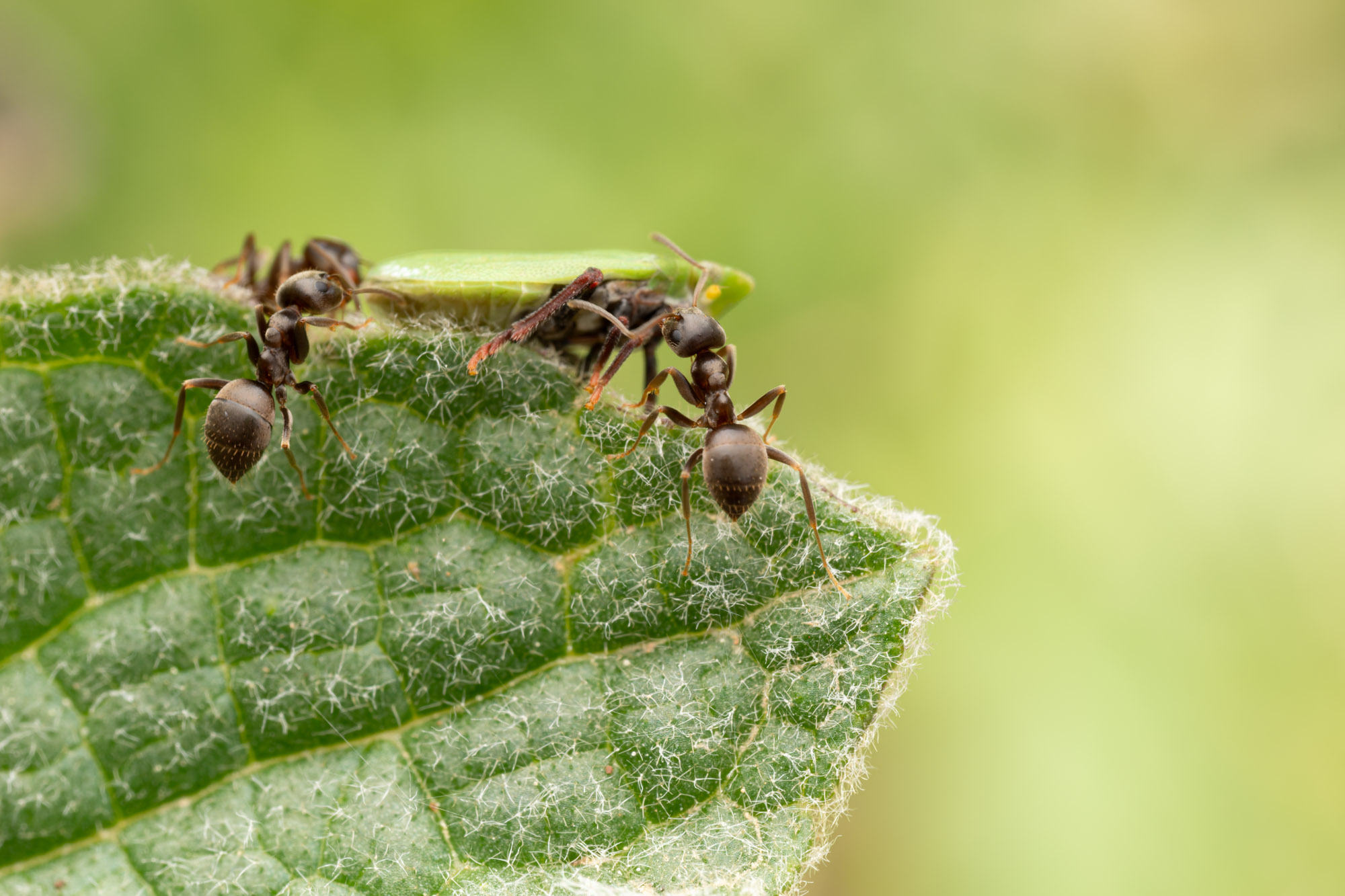
Some Lasius sp. ants ganging up on a leaf hopper (which shrugged (?) them off and hopped away soon after).

Browsing through my website, it’s pretty obvious that macro photography of both flora and fauna makes up about 90% of the images I take, at least when conditions are right. Actually, this has much more to do with my love and fascination for the natural world than it does for my passion for photography, but that’s a story for another time. What does, however, make me just a little bit different from the vast majority of macro photographers is that I usually work exclusively with natural light. This has its benefits, but I admit it also its disadvantages, so last year I made up my mind to finally get to grips with using a flash. I took the plunge and bought a flash and diffuser right at the end of last arthropod season with the idea of getting some practice in before the return of my beloved critters, but after enthusiastically charging the flash battery, it remained on the shelf until… yesterday.

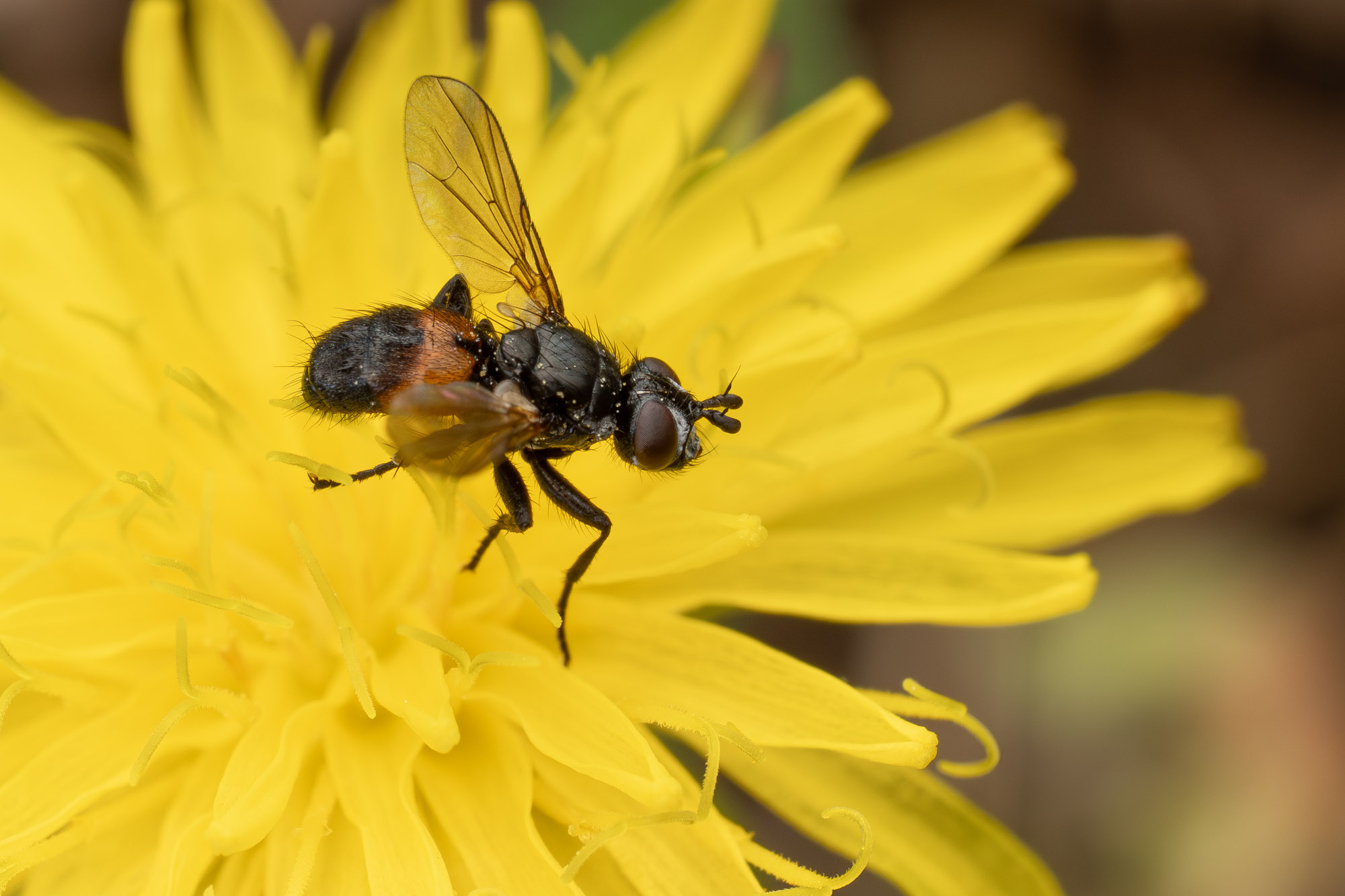
Besseria anthophila, a species of bristle fly in the tachinid (Tachinidae) family.
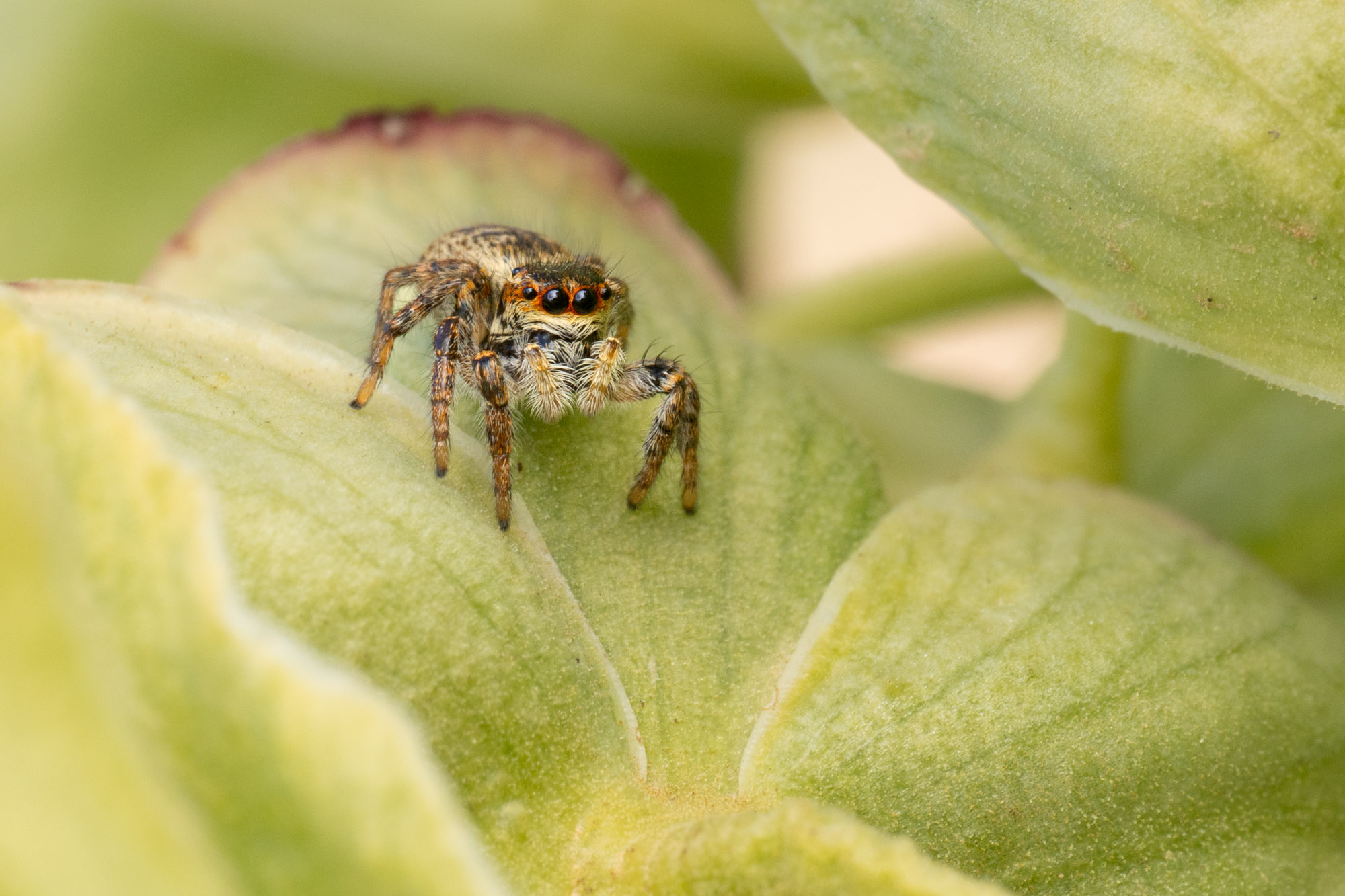
A minute jumping spider (Carrhotus xanthogramma, Salticidae)

Of course the wisdom of advancing (advanced?) years should have suggested that I studied manuals and settings before going out, but I am still young in my ability to err, so I inevitably found myself caught up in heated disputes between my camera and my flash, while the few arthropod subjects I came across laughed so much they fell off their respective petals and leaves. It’s clear I still have a great deal to learn, but that doesn’t trouble me unduly, a little bit of study should sort things out. No, it’s not the technical side that bothers me. 

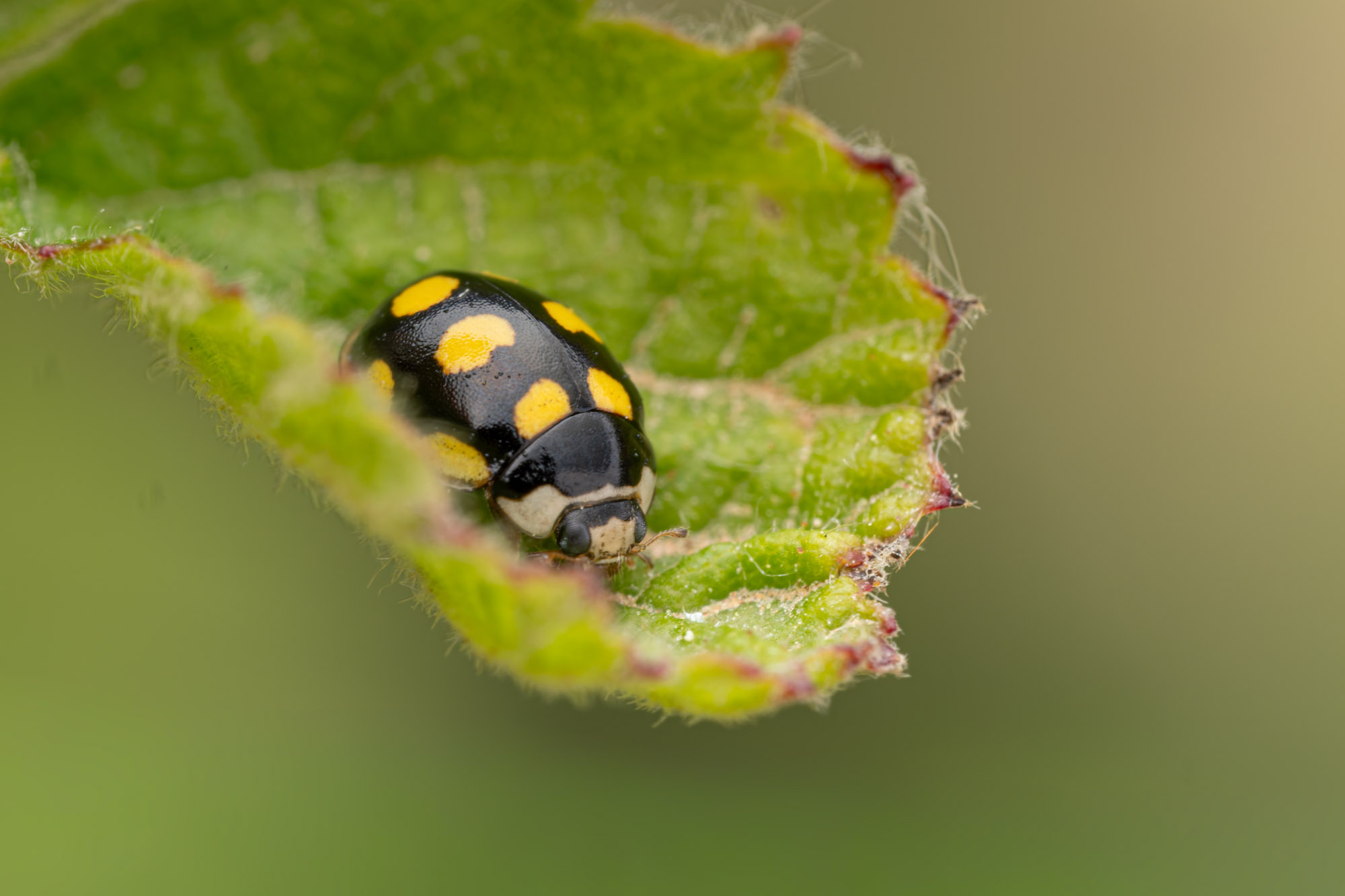
A ladybug (Oenopia lyncea). With its highly reflective surfaces, this probably wouldn't have worked so well with natural light.
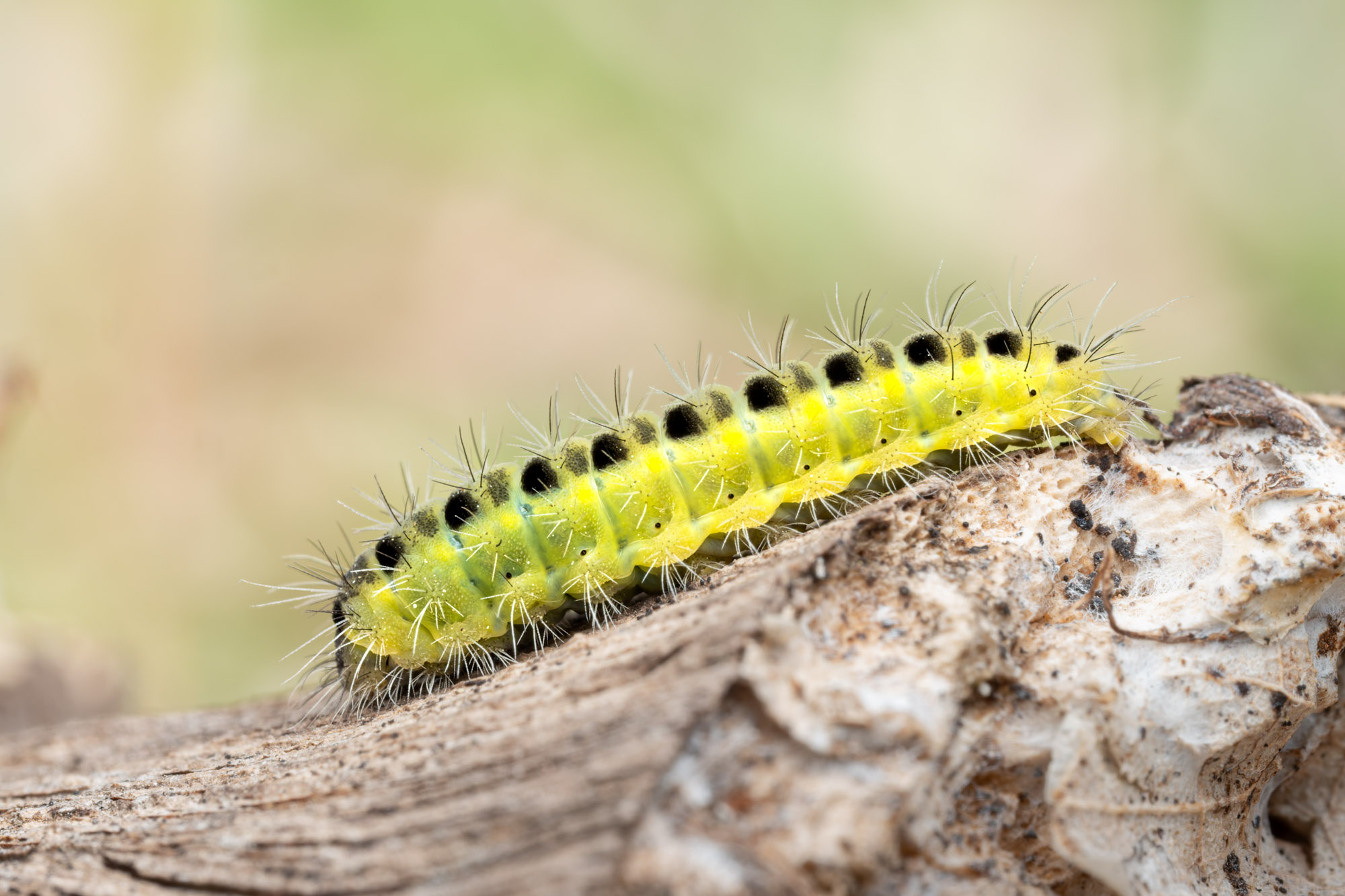
It seems cheating somehow, the easiest way to photograph Lepidoptera… a caterpillar of Zygaena transalpina.

My problem comes with the sheer “ingombro” of the thing. Now in Italian, “ingrombro” means more or less the space something takes up, and that diffuser… well, I just don’t seem to be able to cope with the sheer size of the thing! I’m used to being able to slip in and out of bramble and hawthorn patches more or less unscathed, or slide my lens easily through a jungle of stalks and leaves. But heaven help me if try the same thing with the diffuser mounted! The disturbance I create must be the equivalent of a hurricane and earthquake combined for all the small inhabitants of the undergrowth who rightly flee or drop to the ground and disappear. 

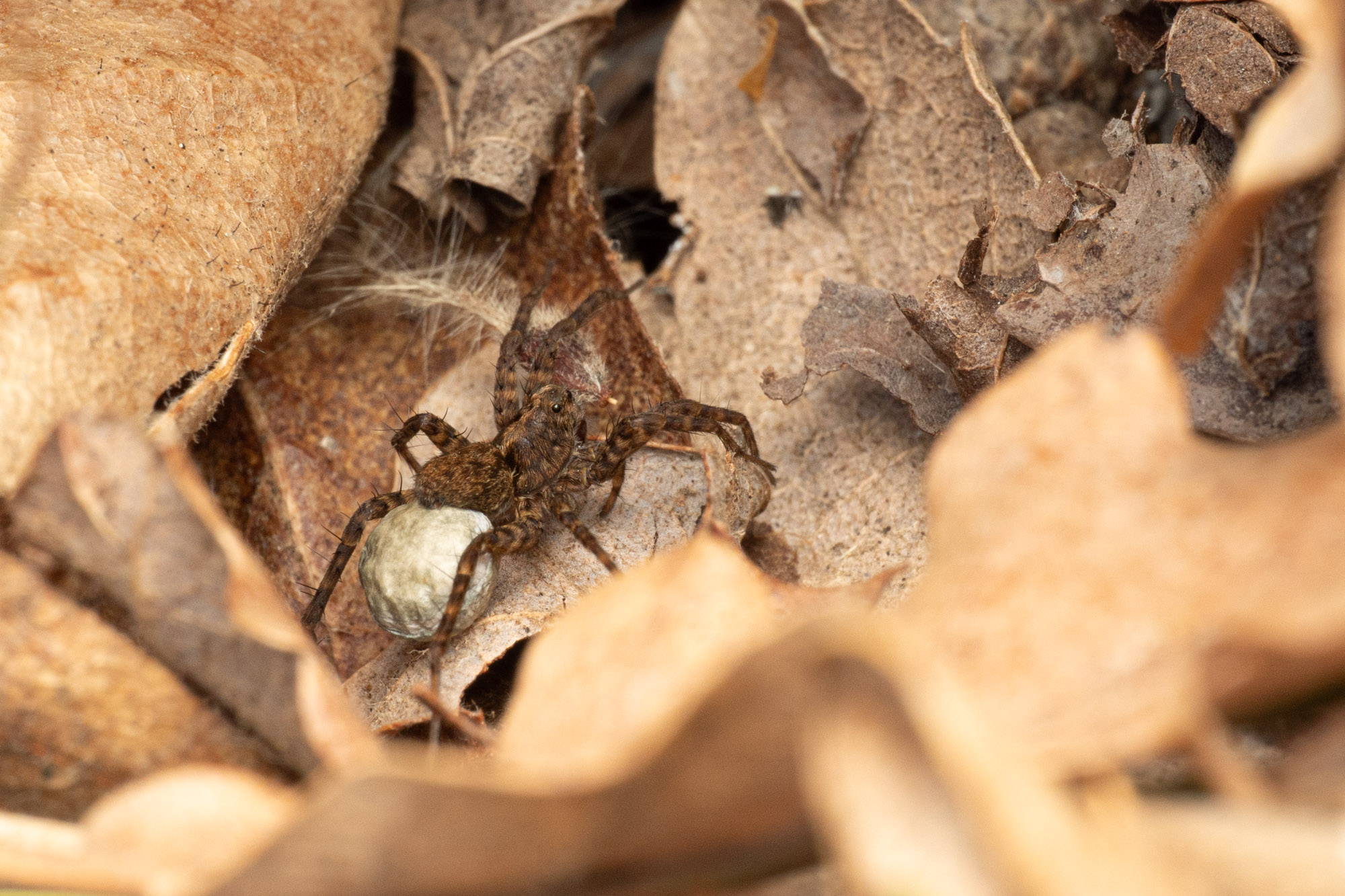
A female wolf spider (Pardosa sp., Lycosidae) with her egg sac.
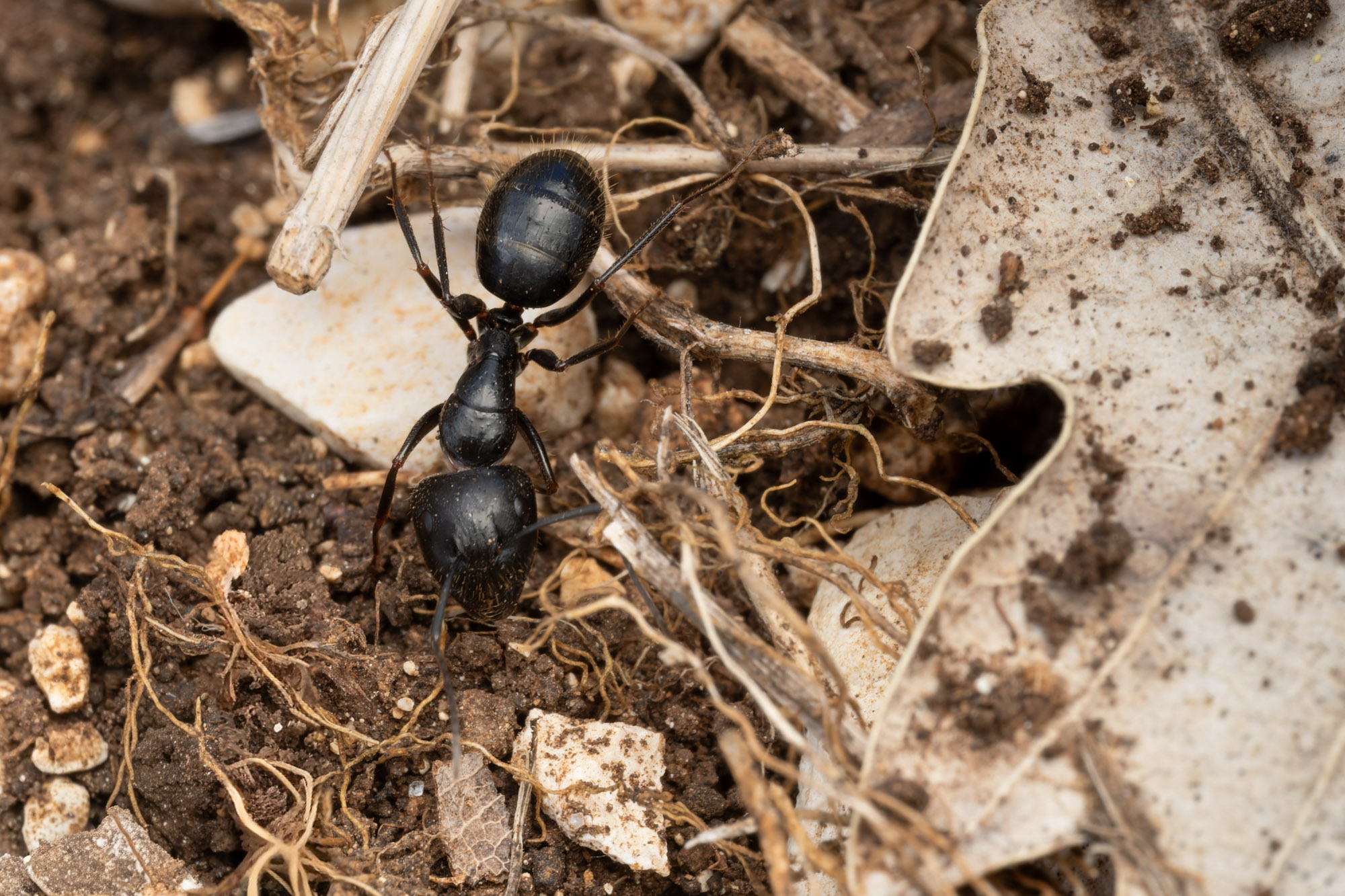
A carpenter ant, Camponotus aethiops, great to photograph thanks to its unusually non-reflective matt black surface.

So after I finish disentangling bits of plastic and cord from miscellaneous thorns and other protuberances, all I’m left with is an arthropod desert. And if I do manage to get near enough, the sight of all that towering shiny whiteness is enough to send any remaining arthropods into a blind panic. You can just see the terror in their little eyes… and who can blame them! In short, yesterday the addition of flash and diffuser undoubtedly made me lose more shots then it helped me take. On the other hand, a couple of the images I did manage to get were only possible thanks to the flash, and that’s enough to convince me to persevere. 

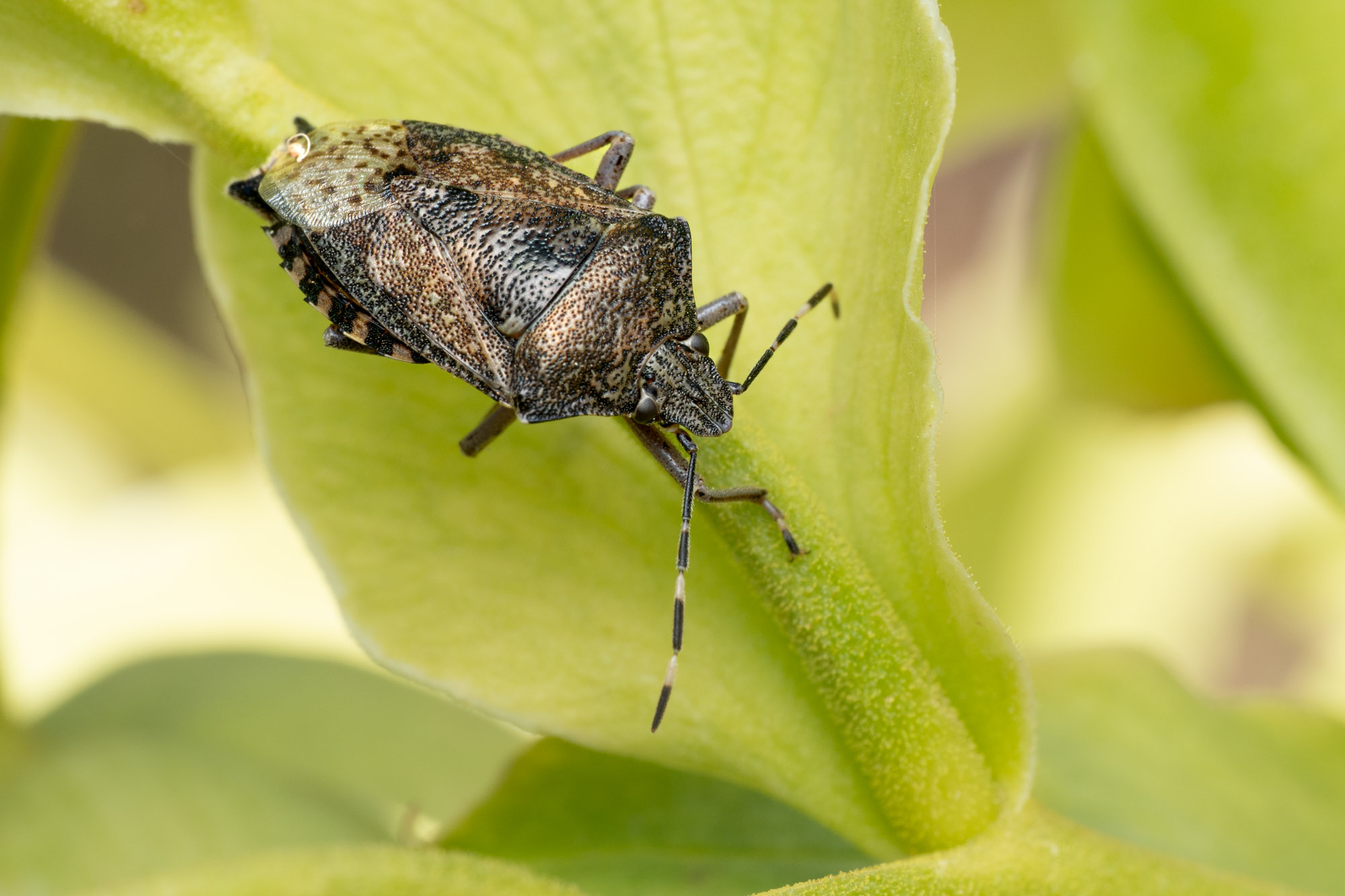
A very patient (or perhaps just very cold) mottled shieldbug (Rhaphigaster nebulosa, Pentatomidae).
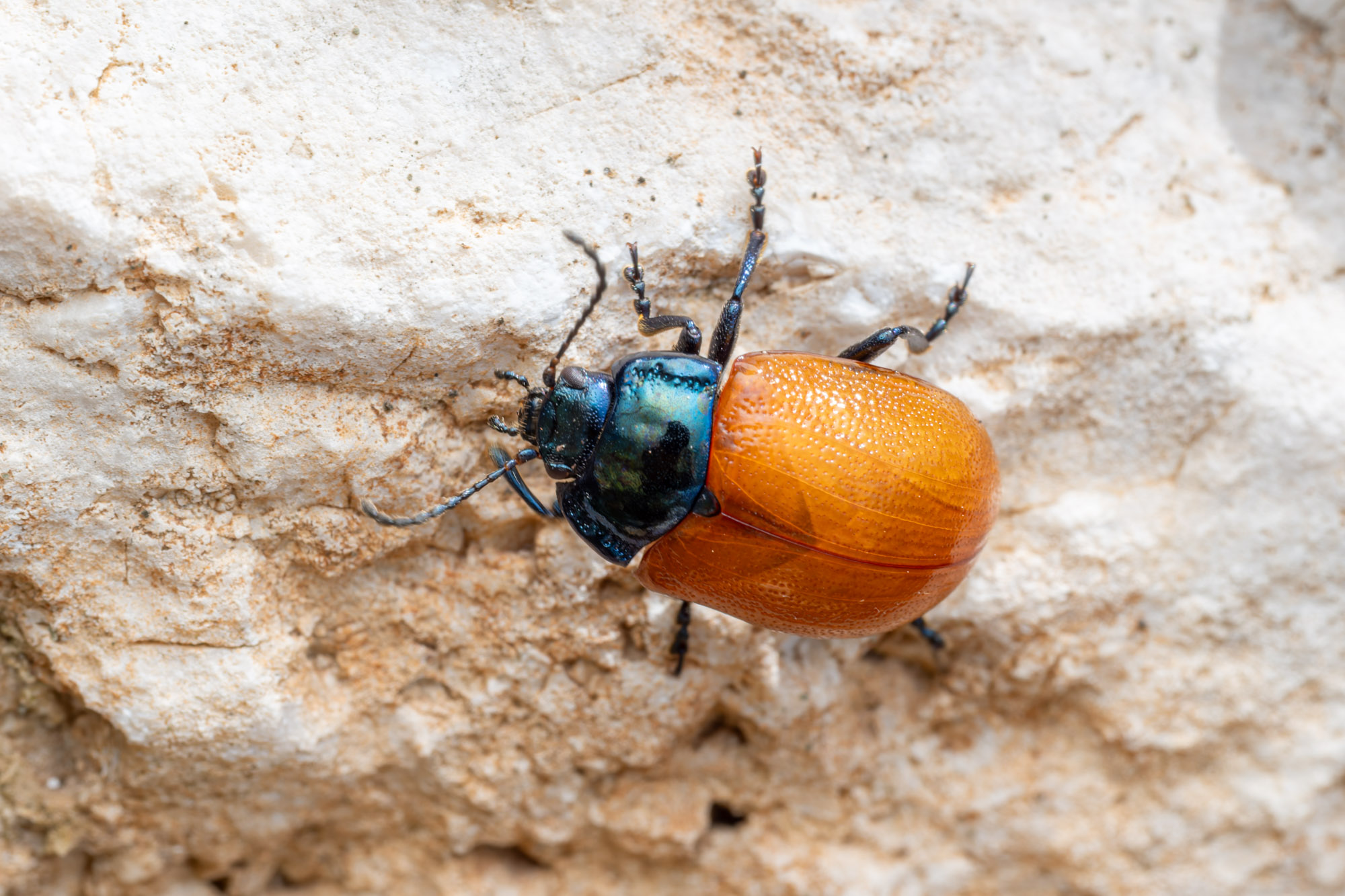
The red broad-shouldered leaf beetle (Chrysolina grossa, Chrysomelidae) with a reflection of the photographer... the closest thing to a selfie you're likely to see from me!

My initial conclusion is that it’s a completely different ball game and precisely because of that, with practice, I can imagine it becoming complementary to, rather than a substitute for, the natural light macro photography I will probably always prefer. I will stick at it and endure the derision of my arthropod subjects, until the use of flash or natural light becomes a conscious decision, rather than the inevitable consequence of my lack of technical expertise. Will I succeed? Only time will tell.

PrevPreviousA funny thing happened to me…

For my Italian-speaking friends (or anyone wanting to translate into another language), I recommend DeepL translator available clicking here or also as a browser extension for Google Chrome.

Per i miei amici di lingua italiana (o chiunque voglia tradurre in un’altra lingua), consiglio DeepL translator disponibile cliccando qui o anche come estensione per il browser Google Chrome.


  • Error: Please check if you enter Instagram username and Access Token in Theme Setting > Social Profiles


sarah gregg - lynkos - eresus(at)lynkos.net

Cookies
Like just about every website in the universe, this site uses cookies to store and/or access device information. It's up to you whether to accept these cookies or not, but be warned... if you don't accept, strange things may happen!
Functional Always active
The technical storage or access is strictly necessary for the legitimate purpose of enabling the use of a specific service explicitly requested by the subscriber or user, or for the sole purpose of carrying out the transmission of a communication over an electronic communications network.
Preferences
The technical storage or access is necessary for the legitimate purpose of storing preferences that are not requested by the subscriber or user.
Statistics
The technical storage or access that is used exclusively for statistical purposes. The technical storage or access that is used exclusively for anonymous statistical purposes. Without a subpoena, voluntary compliance on the part of your Internet Service Provider, or additional records from a third party, information stored or retrieved for this purpose alone cannot usually be used to identify you.
Marketing
The technical storage or access is required to create user profiles to send advertising, or to track the user on a website or across several websites for similar marketing purposes.

  • Manage options
  • Manage services
  • Manage {vendor_count} vendors
  • Read more about these purposes
View preferences
  • {title}
  • {title}
  • {title}